

This is because these items don’t affect cash flow, but they do affect net income. Positive operating cash flow means a business is generating enough cash to cover expenses, whereas negative cash flow may signal inefficiencies in working capital. The cash flow indirect method uses the information from the cash statement to calculate the cash flow within a certain period.
Differences Between the Direct and Indirect Method

The indirect method is preferred in financial reporting largely due to its seamless integration with accrual accounting and the ease with which it allows larger companies to report complex transactions. It’s accustomed to financial professionals and aligns with established reporting systems, enabling consistent and comparative analysis across various businesses. For example, if you reported $5,000 in depreciation, you’d add that indirect cash flow statement back because it didn’t actually drain your cash reserves. Similarly, if your stock-based compensation totaled $2,000, that value is adjusted since no cash left your coffers. These adjustments ensure your cash flow statement reflects the reality of your cash situation.

The Purpose of the Indirect Statement of Cash Flows
Conversely, frequent asset sales to generate cash might warn of financial distress. The direct method is more accurate than the indirect method because it includes the actual cash flows in the calculation. However, it is more time-consuming unless appropriate cash flow management software is used. The cash flow indirect method is a way to calculate a company’s cash flow from the data on the cash statement. It is called the indirect method because the cash flows are not used directly for the calculation, but are determined from the turnover.
Step 4: Adjust for Changes in Long-Term Assets and Liabilities
One way to tackle this is to directly track all cash transactions, such as receipts from customers or payments to employees, in an accounting software. We call this the direct method, and most financial institutions such as the FASB prefer it because it provides extensive details on the types of cash flows. While this article focuses on the indirect method statement of cash flows, it is important to understand its counterpart. A comparison between direct method cash flow vs indirect highlights Debt to Asset Ratio their distinct approaches reporting benefits. A cash flow statement is one of the three major financial statements that showcases the health of a business. The sum of these items gives us the net cash flow from operating activities.
- These adjustments include deducting realized gains and other adding back realized losses to the net income total.
- As we have discussed, the operating section of the statement of cash flows can be shown using either the direct method or the indirect method.
- Being able to identify where money is being generated or spent can provide clarity of analysis.
- The statement of cash flows is one of the main financial statements produced by a business, alongside the the income statement and balance sheet.
- Any changes in current assets (other than cash) and current liabilities (other than debt) affect the cash balance in operating activities.
Direct method
Add this amount to the beginning cash balance to find the ending cash balance. The indirect method starts with net income and adjusts for non-cash transactions, changes in working capital, and other cash flows to reconcile net income to net cash provided by operating activities. This tutorial will guide you through the process of preparing a statement of cash flows using the indirect method, with detailed explanations and examples. The aim of the cash flow statement using the indirect method is multifold.
- Most accounting software is already set up to spit out the numbers you need for the indirect method, so there’s less chance of you missing something or pulling your hair out over the details.
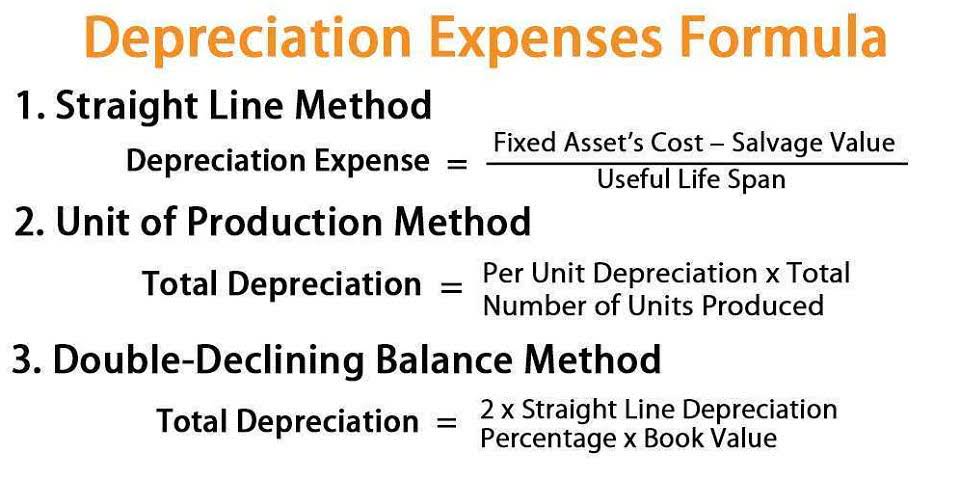
- The value of these assets declines over time, so D&A is a necessary adjustment to accurately reflect cash flow.
- The fact that the payable decreased indicates that Propensity paid enough payments during the period to keep up with new charges, and also to pay down on amounts payable from previous periods.
- This is because a large business has many variable sources of income, as well as expenses.
- The indirect method lacks such deep insights since the net cash flow metric is indirectly calculated from the other financial statements.
- The most widely used method for building cash flow statements is the indirect method.
The paper highlights the indirect method’s role in the statement of cash flows. It teaches future accountants the logic behind reconciling operating income with net operating cash flow. While both methods aim to calculate the net cash https://www.bookstime.com/ provided by operating activities, the totals in the examples below differ due to the simplified and independent nature of the data provided for each method. In practice, both methods should result in the same net cash flow from operating activities if based on the same underlying financial information. Three general types of adjustments are necessary to convert net income to cash provided by operating activities. These three types of adjustments are shown in Figure 12.4, which also displays the format used for the operating activities section of the statement of cash flows.