
Spending time with friends and family members who don’t drink can help you stay on track and avoid relapse. These individuals can offer positive reinforcement and encouragement as you navigate the challenges of quitting drinking naturally. Surrounding yourself with positive people who support your decision to stop drinking can make all the difference.

What Helps With Alcohol Cravings?
The goal is to identify the trigger and analyze the feeling how to stop alcohol cravings the person gets from that trigger and how it relates to their drinking. While using medication to help reduce the cravings for alcohol can help, there’s also a need for managing the psychological aspect and improving behavioral health. The need to address the specific triggers that cause cravings is essential for recovery and helps make the process more effective. This treatment works differently because it helps reduce the amount the drinker ingests.
Supporting Sobriety
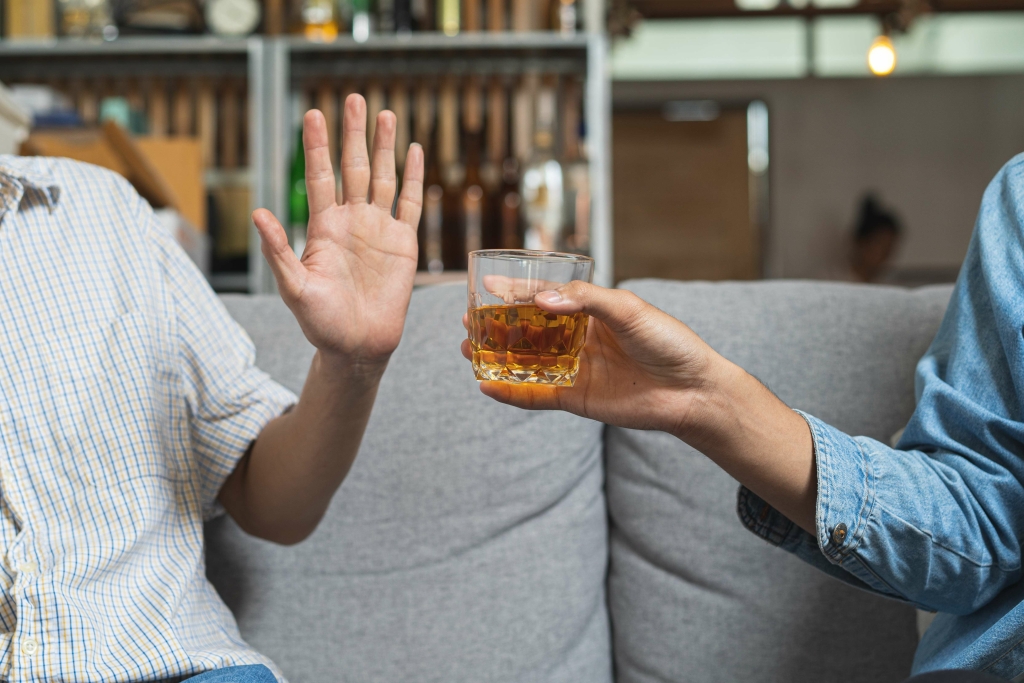
Seeking professional advice from a registered dietitian or nutritionist can provide personalized recommendations tailored to your specific needs and recovery goals. Cravings will be lower when you learn to manage your triggers. For instance, if you know being alcoholism treatment at bars or parties will trigger you to drink, you may need to avoid these locations.
- Research shows that properly performed acupuncture can help you control your alcohol withdrawal symptoms.
- Each type requires a slightly different response—but all are manageable with the right tools and mindset.
- Alcohol is one of the few substances with potentially fatal withdrawal.
- Therefore, simply drinking more water during alcohol detox can help a lot.
Ready to start your recovery?
- In addition, yoga can reinforce the positive effects of meditation.
- You’ll get access to a personalized treatment plan and provide helpful resources to help you start on your recovery journey today.
- When you understand what your loved one is going through, it’s easier to support them.
- These desires can emerge due to various triggers, both external and internal, making it crucial to understand their nature.
By writing down your thoughts and feelings, you can identify triggers and patterns in your behavior that may be contributing to your alcohol cravings. By identifying the reasons behind your alcohol cravings, you can work to develop strategies for managing them and staying on track towards sobriety. For instance, if you know that stress triggers your alcohol cravings, you could try practicing relaxation techniques like meditation or yoga to reduce stress levels. No matter how long your alcohol cravings last during recovery, there are many ways to cope with the urge to drink.
Maintaining a healthy diet can also contribute significantly to overcoming alcohol cravings. Alcohol can deplete your body’s nutrient stores, and this deficiency can intensify cravings. By ensuring you’re eating a balanced diet full of fruits, vegetables, lean proteins, and whole grains, you’re nourishing your body and helping curb alcohol cravings. Consider working with a nutritionist who can provide a tailored diet plan to support your recovery.
How to Have Fun Without Drinking
Yes—complications like seizures and delirium tremens can be life-threatening. Alcohol withdrawal syndrome happens when someone who’s been drinking regularly or heavily suddenly cuts back or stops. Alcohol slows the brain by enhancing GABA (a calming chemical) and suppressing glutamate (an excitatory chemical). When alcohol is removed, the nervous system rebounds, causing withdrawal symptoms.

How to Manage Alcohol Cravings and Find Long-Term Freedom from Addiction
- Before starting any complementary treatment, be sure to discuss it with a doctor to make sure it’s safe for you.
- With practice, the urge can become a signal that it’s time to use an urge coping strategy.
- Breaking this loop can help a person overcome alcohol cravings and manage their alcohol intake.
Some people experience visual, auditory, or tactile hallucinations without confusion. It’s common to feel anxious, restless, shaky, sweaty, and nauseated as early as 6 hours after your last drink. Headaches, sensitivity to light/sound, and trouble sleeping often start here. The first step is to know that your questions and feelings are normal. Reaching out to a supportive friend or family member can make a significant difference. Sometimes, a conversation with someone you trust can help you navigate your craving by providing encouragement, understanding, and a sense of connection.